


Главная страница Новости • публикации
02/01/25
 DPK Beds for a Sustainable and Durable Vegetable Garden Solution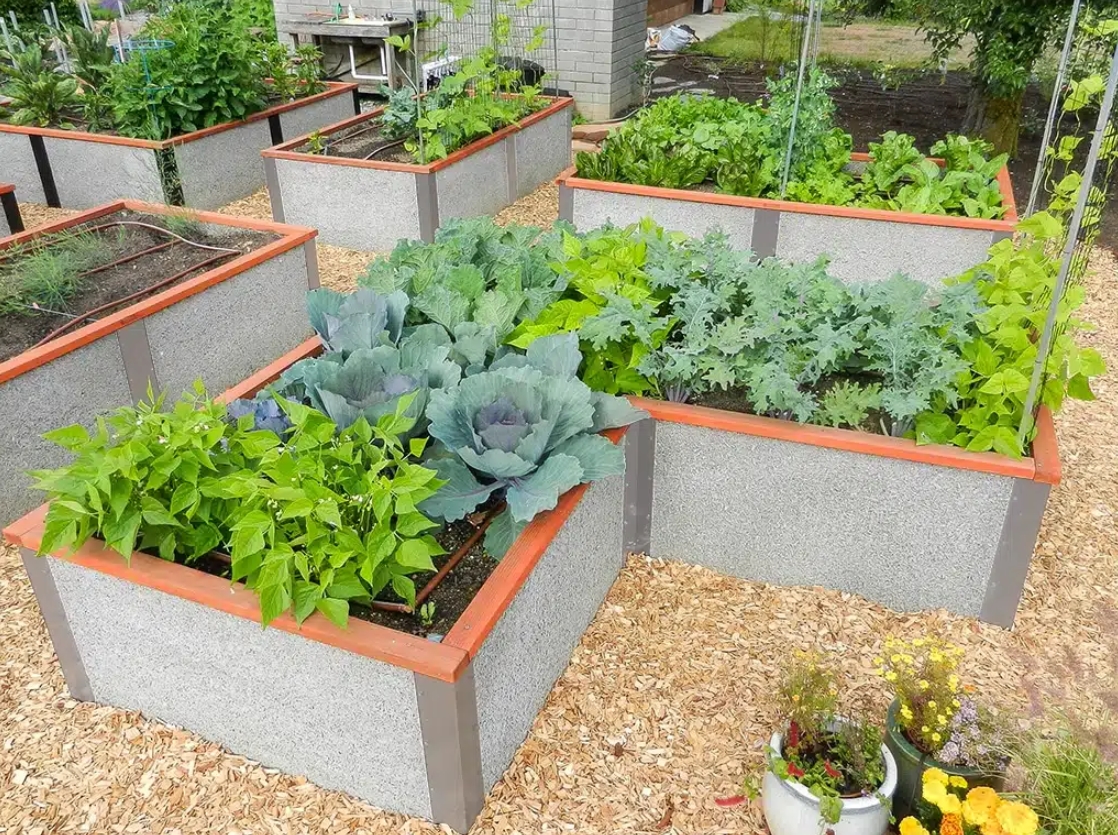
Vegetable gardens can transform your backyard into a sanctuary of fresh produce, but the choice of materials for the beds can be crucial for both appearance and longevity. Many gardeners are increasingly turning to DPK beds, also known as composite decking, for their practical and aesthetic qualities. DPK stands for древесно-полимерный композит (wood-plastic composite), which combines the durability of plastic with the natural look of wood. Choosing DPK beds can significantly improve your garden's structure while minimizing maintenance.
One major draw of using DPK beds is their exceptional lifespan. Unlike traditional wooden beds that may rot and decay over time, DPK material is designed to withstand the elements. This resilience makes it an ideal choice for vegetable beds since they can endure both wet and dry conditions without warping. Moreover, DPK beds do not require the regular treatment that wood typically does, allowing for a low-maintenance gardening experience. Aside from durability, DPK beds also provide excellent moisture retention, which is crucial for growing healthy vegetables.
Another benefit of using DPK beds is their ease of installation. They come in pre-fabricated sections, which means less hassle for you. Most DIY enthusiasts can have their DPK beds set up in a day. Additionally, DPK is available in various colors and textures, allowing you to select an option that complements the rest of your garden seamlessly. This versatility extends beyond aesthetic appeal; DPK beds can easily be adjusted to create raised beds of any size, accommodating the diverse gardening needs and preferences of different gardeners.
Opting for DPK is not just a practical choice; it also aligns with environmentally friendly practices. The manufacturing process of DPK utilizes recycled materials, which helps reduce your carbon footprint. By investing in дпк грядки, you are promoting sustainability and making a responsible choice for the environment. This makes DPK not only a functional solution for your garden but also an ethical one.
While the initial investment in DPK beds might be higher compared to conventional wood beds, it's essential to consider long-term savings. The durability and low maintenance of DPK mean you won't have to replace or repair them as frequently as wooden alternatives. Over time, these savings can accumulate significantly, making DPK an economically efficient option in the long run. Furthermore, you won’t need to spend money on chemical treatments or preservatives that traditional wooden beds often require.
In conclusion, if you are looking for a robust and practical solution for your vegetable garden, DPK beds are a top contender. They combine low maintenance with durability and environmental responsibility. The ease of installation and variety of aesthetic options available make them a versatile choice for any gardener. So, why not explore the benefits of DPK further? You can learn more about creating practical solutions in your garden by visiting https://woodgrand.ru/poleznaya-informatsiya/gryadka-iz-dpk-dan-mode-ili-vybor-praktichnogo-sadovoda/. With the right materials at your disposal, you can cultivate a flourishing vegetable garden that serves you for years to come.
Комментарии
Чтобы оставить комментарий, необходимо войти или зарегистрироваться